

Oral & Mouth Cancer Treatment in Pune – Dr. Sumit Shah
Why Choose Prolife Cancer Centre for Oral Cancer Treatment in Pune?
The Prolife Cancer Centre and Research Institute in Pune offers care for people who have oral cancer and mouth cancer. With the help of Dr. Sumit Shah each patient gets. A plan, for treatment is made. The plan depends on where the cancer’s how far it has spread if the lymph nodes are affected and what the patient needs. The treatment can be cancer surgery, neck dissection, repair work, radiation therapy, chemotherapy or a mix of these based on what is found.
Our method focuses on removing cancer while taking into account speech eating, looks and overall quality of life. Patients are supported from the moment they get a diagnosis through planning the treatment, surgery, recovery and ongoing care. Our method focuses on removing cancer while taking into account speech eating, looks and overall quality of life. Patients are supported from the moment they get a diagnosis through planning the treatment, surgery, recovery and ongoing care.
✓ Experienced Surgical Oncology Care
✓ Oral & Mouth Cancer Surgery
✓ Neck Dissection & Reconstruction When Indicated
✓ Coordinated Multidisciplinary Cancer Care
Dr. Sumit Shah – Oral & Mouth Cancer Surgeon in Pune
Dr. Sumit Shah, a renowned Chief Consultant, Surgical Oncologist, and Robotic Surgeon, is the founder of Prolife Cancer Centre & Research Institute. This state-of-the-art medical facility provides a comprehensive range of integrated cancer treatment options under one roof. Dr. Shah has pursued a super-specialty course in surgical oncology at the Cancer Centre Welfare Home and Res. Institute in Kolkata, where he was recognized as the Best Outgoing Cancer Surgeon. He is among the few mouth cancer specialists in Pune who possess this recognized degree, demonstrating his exceptional expertise in the field of surgical oncology.

Dr. Sumit Shah, a renowned Chief Consultant, Surgical Oncologist, and Robotic Surgeon, is the founder of Prolife Cancer Centre & Research Institute. This state-of-the-art medical facility provides a comprehensive range of integrated cancer treatment options under one roof. Dr. Shah has pursued a super-specialty course in surgical oncology at the Cancer Centre Welfare Home and Res. Institute in Kolkata, where he was recognized as the Best Outgoing Cancer Surgeon. He is among the few mouth cancer specialists in Pune who possess this recognized degree, demonstrating his exceptional expertise in the field of surgical oncology.
Patient Testimonial Videos
Sachin Nalawade – Tongue Cancer Patient Testimonial Video
Kishor Relekar – Oral Cancer Patient Testimonial Video
Oral Cancer Videos
Dr. Sumit Shah – Oral cancer Surgeon in Pune
Mouth cancer or oral cancer (also known as oral cavity cancer) can occur anywhere in the mouth. It is named according to part of oral cavity it involves. It can on the surface of the tongue, the lips, inside the cheek, in the gums, in the roof and floor of the mouth, in the tonsils, and in the minor salivary glands.
It belongs to a larger group of cancers called head and neck cancers. Most develop in the squamous cells that line mucosa (covering) in your cheek, tongue, and lips.
Statistics:
 In India, in men, Oral cancer is about 16.1% of all cancer types. According to Globcon, in 2018, 92011 new cases of oral cancer were registered.
- Whereas in women it is 10.4% of all cancers.
- The total no. of deaths due to mouth cancer is 72,616.
- It has been observed that about 80-90% patients of with oral cancer are due to tobacco consumption.
 In India, in men, Oral cancer is about 16.1% of all cancer types. According to Globcon, in 2018, 92011 new cases of oral cancer were registered.
Survival rate (5-year)
- Patients with early-stage oral cancer: 82%
- Patients with advanced stages: 27%
Prolife is the leading Hospital for Oral cancer Treatment in Pune. At prolife we understand your problem, we diagnose it properly & we provide the best treatment which suitable for you.
What are the symptoms of oral cancer?
Symptoms of oral cancer vary from person to person. However since early detection is important for the successful treatment of oral cancer, see your doctor or dentist if you notice abnormal areas in your mouth. These may include the following:
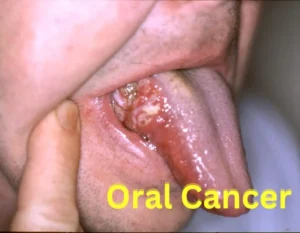
- Leukoplakia (literally a “white patch”) is a persistent white area or spot in the oral cavity. About 25% of leukoplakias are cancerous or precancerous.
- Erythroplakia (red patch) is a persistent red, raised area or spot in the oral cavity that bleeds if scraped. Erythroplakia often arises out of an area of leukoplakia, so a mixed red and white appearance is common.
Potential signs of oral cancer include:
– A sore in the mouth that doesn’t heal
– Unexpected loose teeth
– A lump in the neck
– A mass or thickening in the face, jaw, cheek, tongue, or gums
– A persistent sore or mass in the mouth that causes pain or a poor fit while wearing dentures
– Difficulty chewing, swallowing, or moving the tongue or jaw
– Persistent bad breath
– Unexplained weight loss
These symptoms do not necessarily mean you have cancer. However, it is important to discuss any such symptoms with your doctor, since a correct and early diagnosis can help improve your chance for successful treatment. Also, these symptoms may signal other health problems. If you see any symptoms of Oral cancer then Meet Dr. Sumit Shah at Prolife Cancer Centre, a renowned Mouth/Oral cancer Surgeon in Pune.
Anything that increases your chances of getting cancer is called a risk factor. Many cases of oral cancers are linked to risk factors. Some patients will develop oral cancers without any known risk factors. The main risk factors for oral cancer are:
- Tobacco use: Many people diagnosed with oral cancer use tobacco in some form. The longer people use tobacco and the amount they use increases that risk. People who use chewing tobacco or snuff are more likely to develop cancer of the gums, cheek, and lips. Pipe smoking increases the risk of cancer of the lips and the soft palate. Living with a smoker or working in a smoking environment can cause secondhand or passive smoking, which also may increase risk.
- Alcohol: Many people diagnosed with oral cancer are heavy drinkers, consuming more than 21 alcoholic drinks each week. The combination of tobacco and alcohol is particularly dangerous. People who drink alcohol and smoke are six times more likely to get oral cancer than people who do not drink or smoke.
Other risk factors include:
- Gender: About two-thirds of people diagnosed with oral cancer are men.
- Age: These cancers are found most often in people over 45.
- Prolonged sun exposure, which can lead to lip cancer
- Long-term irritation caused by ill-fitting dentures
- Poor nutrition, especially a diet low in fruits and vegetables
- Immunosuppressive drugs
- Previous head and neck cancer
- Radiation exposure
Book Appointment
Quick Contact
- Address 557A1/15C Gultekadi, Market Yard Pune, Maharashtra 411037
- Email social.prolife@gmail.com
- Phone +91-9607079019, +91-9607079029
What Are the Different Types of Oral Cancer?
Oral cancer can develop in different areas of the mouth, including the tongue, inner cheek, gums, floor of the mouth and lips. At Prolife Cancer Centre in Pune, treatment is planned according to the location and stage of the cancer, lymph node involvement and the patient’s individual clinical needs.
Tongue Cancer Treatment & Surgery in Pune
Tongue cancer may appear as a persistent ulcer, lump, pain, bleeding, or difficulty moving the tongue. Early evaluation is important, particularly when a mouth ulcer does not heal within two weeks. Tongue cancer treatment in Pune depends on the size and location of the tumour, its stage, and whether lymph nodes in the neck are involved. Tongue cancer surgery may include removal of the tumour, neck dissection, and reconstruction when required. Patients looking for a tongue cancer surgeon in Pune can consult Dr. Sumit Shah at Prolife Cancer Centre, Pune for evaluation and surgical treatment planning.Buccal Mucosa Cancer Treatment & Surgery in Pune
Buccal mucosa cancer develops in the inner lining of the cheek. Tobacco, gutkha, betel nut, and similar habits are important risk factors for oral cancer. Buccal mucosa cancer treatment in Pune is individualized according to the extent of the tumour and involvement of the jaw or neck lymph nodes. Buccal mucosa cancer surgery may involve removal of the tumour, neck dissection, and reconstruction when clinically indicated. Patients looking for a buccal mucosa cancer surgeon in Pune can consult Dr. Sumit Shah for surgical evaluation and treatment planning at Prolife Cancer Centre, Pune.Gum (Gingival) Cancer Treatment in Pune
Gum cancer, also known as gingival cancer, can develop in the upper or lower gums and may sometimes involve the underlying jawbone. Symptoms can include a persistent growth or ulcer, bleeding, pain, loose teeth, or swelling. Gum cancer treatment in Pune depends on the extent of the disease and may include gum cancer surgery, management of neck lymph nodes, and additional treatment when indicated.Floor of Mouth Cancer Treatment in Pune
Floor of mouth cancer develops in the tissues underneath the tongue. Patients may notice an ulcer, lump, pain, difficulty moving the tongue, or difficulty swallowing. Floor of mouth cancer treatment in Pune includes assessment of the primary tumour and lymph nodes in the neck. Floor of mouth cancer surgery and other treatments are recommended according to the stage and extent of the cancer.Lip Cancer Treatment & Surgery in Pune
Lip cancer commonly develops on the lower lip and may present as a persistent sore, ulcer, lump, or abnormal area that does not heal. Lip cancer treatment in Pune depends on the tumour size, location, and stage. When lip cancer surgery is required, treatment planning aims to achieve adequate cancer removal while preserving lip function and appearance as much as possible.Common Histological Types of Oral Cancer
Squamous Cell Carcinoma
Squamous cell carcinoma is the most common histological type of oral cancer. It develops from the squamous cells lining the mouth and can occur in areas such as the tongue, buccal mucosa, gums, and floor of the mouth.Verrucous Carcinoma
Verrucous carcinoma is a less common form of oral cancer that usually grows more slowly than conventional squamous cell carcinoma. Treatment is determined according to the location and extent of the disease.Minor Salivary Gland Cancers
Minor salivary gland cancers can arise from the minor salivary glands located within the oral cavity. Treatment depends on the exact cancer type, location, stage, and other pathological features.When leukoplakia develops, a white area is visible, while Erythroplakia is marked by a red area, which may be flat or slightly raised and often bleeds when scraped. Both conditions may be precancerous, meaning they may develop into types of cancer.
When these conditions occur, a biopsy and other test are performed to determine whether the cells are cancerous. About 25 percent of leukoplakias are either cancerous when first discoveredand almost 4to 10 % has potential to become cancer. Erythroplakia is usually more serious, with about 17 of cases deemed to be cancerous, either at the time of diagnosis or later.
What Are the Stages of Oral Cancer?
Oral cancer is generally classified from Stage 0 to Stage IV.To determine the oral cancer stage, doctors consider:
- The size and depth of the oral tumour
- Whether nearby tissues or bones are involved
- Whether cancer has spread to the neck lymph nodes
- Whether it has spread to another part of the body
Stage 0 Oral Cancer: Carcinoma in Situ
At this earliest stage, abnormal cells are found only in the surface lining of the mouth or lips.
They have not grown into deeper tissues. This stage is also called
oral carcinoma in situ.
Stage I Oral Cancer
Stage I oral cancer is small and has not spread to the
lymph nodes or other parts of the body. Treatment at an early stage may be simpler,
depending on the location and depth of the tumour.
Stage II Oral Cancer
In Stage II oral cancer, the tumour is larger or has grown deeper than in Stage I,
but it has not spread to nearby lymph nodes or distant organs.
Stage III Oral Cancer
In Stage III oral cancer, the tumour may be larger or deeper, or cancer may have
spread to a nearby lymph node. It has not spread to distant parts of the body.
Stage IVA: Locally Advanced Oral Cancer
In Stage IVA oral cancer, the cancer may have grown into nearby structures, such as
the jawbone or facial skin, or spread to the lymph nodes in the neck.
It has not spread to distant organs.
Stage IVB: Very Advanced Oral Cancer
In Stage IVB oral cancer, the cancer may have grown into deeper structures or spread
more extensively to the neck lymph nodes. Treatment planning usually requires
evaluation by a multidisciplinary cancer care team.
Stage IVC: Metastatic Oral Cancer
Stage IVC oral cancer, also called metastatic oral cancer, means the
cancer has spread to a distant part of the body, such as the lungs, liver or bones.
What Is Recurrent Oral Cancer?
Recurrent oral cancer means that the cancer has returned after treatment.
It may return in the mouth, the neck lymph nodes or another part of the body.
Important: The stage of oral cancer cannot be determined from tumour
size alone. Doctors also consider the depth of invasion,
lymph-node involvement, imaging and biopsy findings.
How is oral cancer diagnosed?
Early diagnosis dramatically improves your chances for successful treatment. Prolife cancer centre uses the most advanced techniques and technology to determine if a tumor is benign (not cancer), pre-cancer or cancer. Prolife is the best location for Diagnosis & Treatment of Oral Cancer.
Oral Cancer Diagnostic Tests
If you have signs or symptoms of cancer, the doctor will examine the inside of your cheeks and lips, the floor and roof of the mouth, the tongue, and the lymph nodes in your neck. Be sure to tell your doctor or dentist if you use or have used tobacco in any form.
If your doctor suspects you may have oral cancer, one or more of the following tests may be used to find out if you have cancer and if it has spread.
- Brush biopsy (exfoliative cytology): This relatively new type of biopsy is painless and does not require an anesthetic. The doctor rotates a small stiff-bristled brush on the area, causing abrasion or pinpoint bleeding. Cells from the area are collected and examined under a microscope by an Onco-pathologist.
- Incisional biopsy: This is the traditional, most frequently used type of biopsy. The surgical oncologist surgically removes part of the tumor tissue by giving local anesthesia. It is a completely painless procedure and the patient goes home in the next 2 hours.
- Excisional biopsy: rarely, if the size of the tumor is very small all of the tissue where cancer is suspected is removed with a surrounding rim of normal tissue. This confirms the diagnosis and at the same time patient does not require a second surgery. An excisional biopsy in the mouth needs to be done in an operating room with general anesthesia.
- Fine-needle-aspiration biopsy (FNA): This type of biopsy often is used if a patient has a lump in the neck that can be felt. In this procedure, a thin needle is inserted into the area. Then cells are withdrawn and examined under a microscope.
- Imaging tests: Once the diagnosis is confirmed we need to stage the disease. (Stagging is a process where we determine the exact extent of how much the tumor has spread locally as we as in the rest of the body). Not all patients require all these investigations. the doctor will decide which investigation is to be used depending on the clinical stage of the disease.
- Ultrasound(USG) neck: If the tumor in the oral cavity is very small and easily removable in that case we need to know only whether it has spread to neck lymph nodes. In this case, the USG neck is sufficient. It’s a safe, simple, quick, and cheap investigation
- CT scan Oral cavity and Neck with contrast: This is the most common investigation performed to see tumor size and extent in the mouth as well as whether it has spread to neck lymph nodes.CT scan typically helps to know whether the tumor is away, touching or involving jawbone(mandible) or cheekbone (maxilla). This information is crucial while planning surgical resection.
- MRI (magnetic resonance imaging) scans: MRI is also an important investigation in mouth cancer. When the tumor is involving only cheek(buccal mucosa), tongue or soft tissue (ie tumor is away from the bone ) MRI is the investigation of choice.
- At Prolife we prefer to combine both CT scan and MRI (CT-MR ORAL CAVITY AND NECK) in this we get combined information from both. It helps our surgical oncologist to define the exact stage of the disease. It also helps to plan surgical resection in a better way so that the tumor is removed completely without compromising oncological principles at the same time maximum normal tissue is preserved.
- Chest Xray: it’s a simple investigation which gives information whether the tumor has spread to lungs or not . (lung is the most common other organs where mouth cancers spread in the body)
Whole-body PET-CT Scan: This is a recent most investigation in oncology. This entire body is scanned to know whether mouth cancer has spread to other parts and organs of the body. Not all patients require a PET-CT scan. Only those who have clinical symptoms of distant organ spread of cancer(i.e. metastasis) or when oncologist suspect metastasis or if mouth cancer is large and has spread to multiple neck lymph nodes in that case possibility of other organ involvement is very high.
What Are the Treatment Options for Oral Cancer?
The face is the most visible part of the body and the mouth(oral cavity) serves important functions of speech, chewing, swallowing, and eating food. Treating cancers originating from this part requires an in-depth understanding of the normal functioning and physiology of various organs in this part. Along with knowledge it requires skills and expertise to plan various resections (removal of affected parts) and reconstructions making new parts) and Prolife Cancer Centre takes special care to customize your oral cancer treatment so that we maximize the chances of a cure while minimizing the impact on your body and lifestyle
We at Prolife have a dedicated team of surgical oral oncologists, Oncoplastic surgeons, dentists, and ENT surgeons who specialize in organ and function preservation techniques as well as oncoplastic reconstructive techniques. We also have speech and swallowing therapists, physiotherapists, and dedicated nurses who help to restore normal functioning and speed up the recovery of patients. For each and every patient we prepare a personalized care plan. We take special care to work with each patient to restore optimum physical function and a cosmetic appearance.
Our Oral Cancer Treatments
Prolife Cancer Centre has the best Oral Oncologist who customizes oral cancer treatment to your particular needs. One or more of the following therapies may be recommended to treat cancer or help relieve symptoms.
Surgery
Surgery is the most frequent first treatment for oral cancer. The type of surgery depends on the type, extent, and stage of cancer. Surgical techniques are designed to remove all of the cancer in the mouth, and lymph nodes confirmed or suspected to have cancer cells. At Prolife, a Surgical oncologist (Mouth Cancer Specialist) generally leads the team along with the oncoplastic surgeon, dentist, ENT surgeon, radiation therapist, and supportive teams like speech and swallowing therapists.
As part of treatment, some patients with oral cancer need plastic or reconstructive surgery to help regain the ability to speak or swallow and/or restore their appearance.
At Prolife we follow three basic principles while planning surgery for any cancer patient.
Oncologic clearance- i.e. Not a single viable cancer cell should remain behind. We use an intraoperative pathological examination called a frozen section to confirm that all resected margins are free of the cancer cells. This innovative technique confirms that no viable cancer cell remains behind. Complete resection of cancerous growth(R0 resection) is the most important thing to achieve a cure in any cancer patient.
- Preservation or restoration of function: Each the part of oral cavity serves a specific function. Our surgeons at Prolife meticulously plan how to restore the function of the affected part once it’s removed. This is the newer concept in cancer operation called ‘organ and function preservation surgery’. Oncoplastic surgeon plays an important role in this situation.
- Cosmesis: The head and neck area is a visible part of the body. So the surgery performed should restore normal facial symmetry, contour, and looks. We at Prolife take utmost care while doing surgeries and taking each and every stitch. The majority of skin scars are hidden in natural skin crease lines which at the closest look are difficult to recognize.
Radiation Therapy
Radiation therapy may be used after surgery, either alone or with chemotherapy for more advanced tumors. The method of radiation treatment used depends on the type and stage of cancer.
External-beam radiation therapy is the most frequently used method to deliver radiation therapy to the mouth.
Internal radiation or brachytherapy delivers radiation with tiny seeds, needles, or tubes that are implanted into the tumor. It is used sometimes for treating small tumors or with surgery for advanced tumors.
Proton Therapy
Proton therapy delivers high radiation doses directly into the tumor, sparing nearby healthy tissue and vital organs. For many patients, this results in a higher chance for successful treatment with less impact on the body.
Chemotherapy
Prolife Cancer Centre offers the most advanced chemotherapy options. We provide painless chemotherapy. Chemotherapy may be used to shrink cancer before surgery or radiation, or it may be combined with radiation to increase the effectiveness of both treatments. It also may be used to shrink tumors that cannot be surgically removed. At Prolife we have a dedicated chemotherapy unit. In this along with a medical oncologist, a specialized nurse gives chemotherapy. All the concerns and queries are resolved prior to the start of treatment. We see to it that patients feel at home along with minimum side effects.
Targeted Therapy
Cancer cells need specific molecules to survive, multiply, and spread. These molecules are usually made by the genes that cause cancer, as well as the cells themselves. When mouth cancer is at an advanced stage and patients are not fit for active treatment targeted therapies are utilized to shrink a tumor and make the patient comfortable.
Immunotherapy
Cancer cells need to evade the immune system to survive, multiply and spread. A new class of cancer medicines, immunotherapies, work to unmask cancer to the immune system.
After Treatment: Rehabilitation
Oral cancer and its treatment often cause difficulty with speaking, chewing, swallowing. We work with you, defining your needs and making sure you receive the care you need to increase the likelihood of returning to normal speech and function. Therapy may include speech, occupational and physical therapies and other methods.
After surgery or primary treatment all patients need some time to restore and relearn the affected function. All supportive team members at Prolife help our patients during the rehabilitative phase and guide them stepwise.
Usually, reconstruction is performed at the same time as your cancer surgery Your do. In some cases, the surgery site is left to heal on its own. A doctor will recommend the method that is best for you.
Prognosis & Follow-up
A prognosis is the Oncologist’s best estimate of how cancer will affect someone and how it will respond to treatment.
Prognosis and survival depend on many factors. Only an Oncologist familiar with your medical history, the type, stage and characteristics of your cancer, the treatments are chosen and the response to treatment can put all of this information together with survival statistics to arrive at a prognosis.
A prognostic factor is an aspect of cancer or a characteristic of the person that the oncologist will consider when making a prognosis.
A predictive factor influences how cancer will respond to a certain treatment. Prognostic and predictive factors both play a part in deciding on a treatment plan and a prognosis.
If you or a loved one has been newly diagnosed with cancer or has a recurrence of oral cancer the oncologist will look at the tumor site, the stage whether the lymph nodes are involved, the overall health and past treatments. Then the oncologist will suggest a treatment plan that works best for that cancer.
In Oral cancer , “Operating surgeon is one of the most important Prognostic and and Predictive factor”
Frequently Asked Questions
What is the cost of oral cancer treatment in Pune?
Who is the best oral cancer specialist in Pune?
What are the early warning signs of mouth cancer?
A mouth sore or ulcer that does not heal within 2-3 weeks.
- Red or white patches on the gums, tongue, or inner cheek.
- Unexplained loosening of teeth.
- A persistent lump or thickening in the mouth or neck.
- Difficulty or pain while swallowing or chewing.
If you notice any of these signs, early screening at a specialized cancer clinic in Pune is crucial for a high success rate.